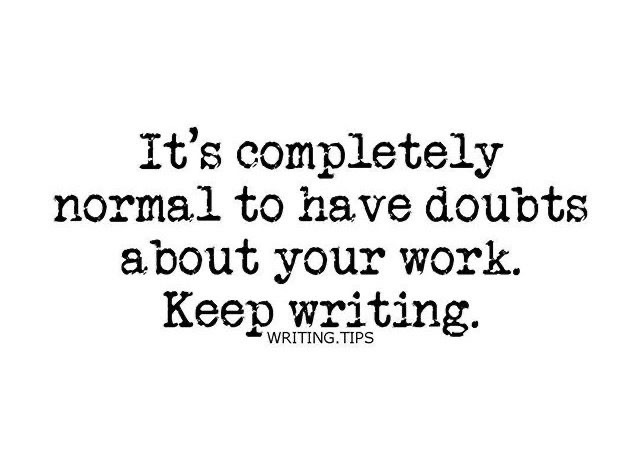
As writers, we are forever editing. We add, enhance, delete—or sometimes, in my case, crumble up the paper and start all over again. When I’m writing on a computer or tablet, I’ll find myself cruising along at a good clip. Then I stop to collect my thoughts. Change that—backspace… backspace… backspace. Insert new words. Resume.
Some of the changes I make are dramatic. Others are so minuscule they’d go unnoticed by anyone else. But I know the difference. I never hit publish until I feel that all of me is standing behind my message. Some may call this perfectionism. My family calls it OCD. Either way, it’s my personal policy: nothing gets released into the writer’s universe unless it truly sounds like me.
Changes.
It’s a new year, and almost everyone is armed with resolutions—whether you call them goals, intentions, or improvements. Maybe you frame it as an enhancement, but it’s still a decision to do something differently. This year, I thought: why not make it a year of rephrasing? A tweak. A shift. A new approach. Still a change, just a subtler one.
In the middle of my class at the gym this morning, I glanced down at my heart rate as I pushed hard on the Assault Bike. My watch flashed 166—solidly in the orange zone. I rolled my eyes and muttered under my breath, “I’m too old for this effing %^+# sh*t. And yet I’ll be back here at 9 a.m. tomorrow.”
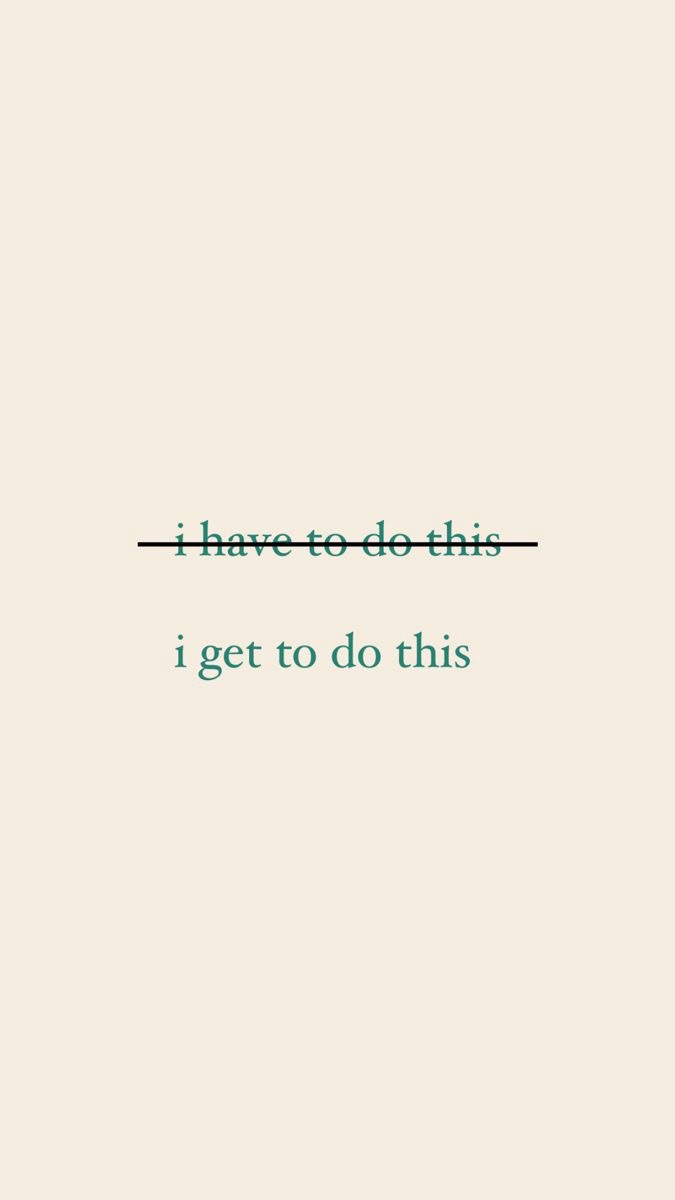
Backspace. Backspace. Backspace.
“I get to be back here tomorrow at 9 a.m.”
New spin. Reframing things will serve me far better. Yes, I’m older—but I’m still doing this six days a week, and I feel damn good. That matters.
I don’t have to do anything. I get to do everything. And for the next 348 days, when things feel heavy or rough or just plain exhausting, I’ll pause, reconsider, and edit accordingly. Because sometimes the most powerful change we can make isn’t rewriting the story at all—it’s simply knowing when to hit backspace and choose better words to keep going.