Kiki Fikar is a native New Yorker who is passionate about taking the day to day life we all experience and sharing it in her tales from Suburbia. She will often be found at the gym, writing snippets each day for future story lines, listening to her two children create their lives, and building the perfect beachfront home and writing retreat in her mind.
I’m beginning to think marketing people know me personally.
Not know me know me. They’re not sitting around a conference table saying, “Okay, what can we do to Kiki today?”
But they know my type.
Somewhere along the way, someone figured out that if you put a catchy little jingle into a commercial and play it enough times, I will not only remember it—I will eventually perform it.
Case in point: ZipRecruiter.
“Build your team, build it sooner…”
I don’t just hum this little ditty.
Oh no.
I sing it like I’m performing LIVE at Met Stadium.
There are imaginary backup singers. Possibly a wind machine. If I’m alone in the Jeep, there may even be choreography.
These people have gotten inside my head.
Marketing experts have known about people like me forever. Plant one tiny microscopic earworm in Kiki’s brain, water it with repeated commercial breaks, and before you know it, I’m giving a sold-out performance at a red light.
And this is nothing new.
Think about how many advertising campaigns have taken up permanent residence in our brains over the years.
“Plop, plop, fizz, fizz.”
“Time to make the donuts.”
“Can you hear me now?”
“Where’s the beef?”
I’m willing to bet you just heard every single one of those in the exact voice in which they were originally delivered.
That, my friends, is marketing genius.
Some of these jingles and catchphrases became so ingrained in our lives that they actually worked their way into our everyday vocabulary. They stopped being commercials and became little pieces of family history.
Such was the case at Chez Eastwood.
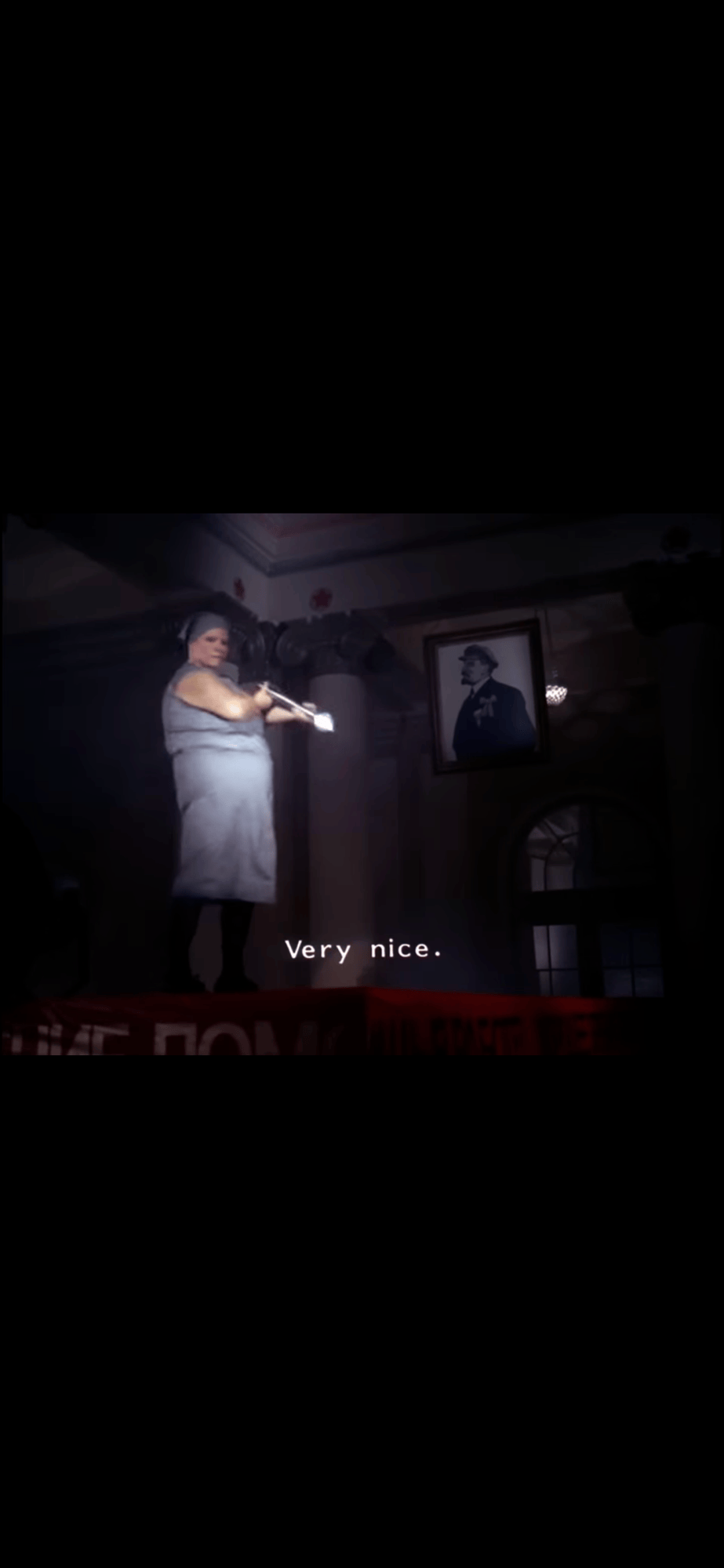
In 1985, Wendy’s aired a commercial featuring a Soviet fashion show. The premise was hysterical. Every “outfit” coming down the runway was essentially the same drab garment, while a stern announcer introduced each fabulous new look.
“Dayvear.”
“Eveninkvear.”
“Svimvear.”
Same outfit.
Different occasion.
Teenage Kiki HOWLED.
But the pièce de résistance was the approving declaration:
“Very nice.”
My father loved it as much as I did.
And just like that, Wendy’s entered the Eastwood family vocabulary.
If Dad approved of something?
“Very nice.”
Except it was never simply very nice. It had to be delivered in the Soviet accent.
New outfit from the mall?
“Dayvear.”
Going out that night?
“Eveninkvear.”
Bathing suit?
You already know.
“Svimvear.”
We would fall apart laughing.
Decades passed. The commercial disappeared. Wendy’s moved on to other campaigns. We all got older.
But those words stayed.
Toward the end of my dad’s life, when so many memories had begun slipping away from him, I would occasionally reach into our old family bag of tricks.
“Dayvear.”
Or I’d give him a perfectly timed—
“Very nice.”
And every once in a while, something almost miraculous would happen.
Dad would look straight into my eyes.
And laugh.
He didn’t always remember me.
But somewhere deep inside his mind, tucked between a lifetime of memories that were becoming harder and harder for him to reach, there was still a ridiculous Wendy’s commercial from 1985.
And there we were again.
Back at 36 Grant Avenue.
Dad and me. Belly laughing.
That is the real genius of a great commercial. The marketing people think they’re selling us hamburgers, antacids, phone service and jobs.
But sometimes, without anyone realizing it, they’re also giving us little pieces of language that attach themselves to moments, people and places we love.
Forty years later, I couldn’t tell you what I ordered at Wendy’s in 1985.
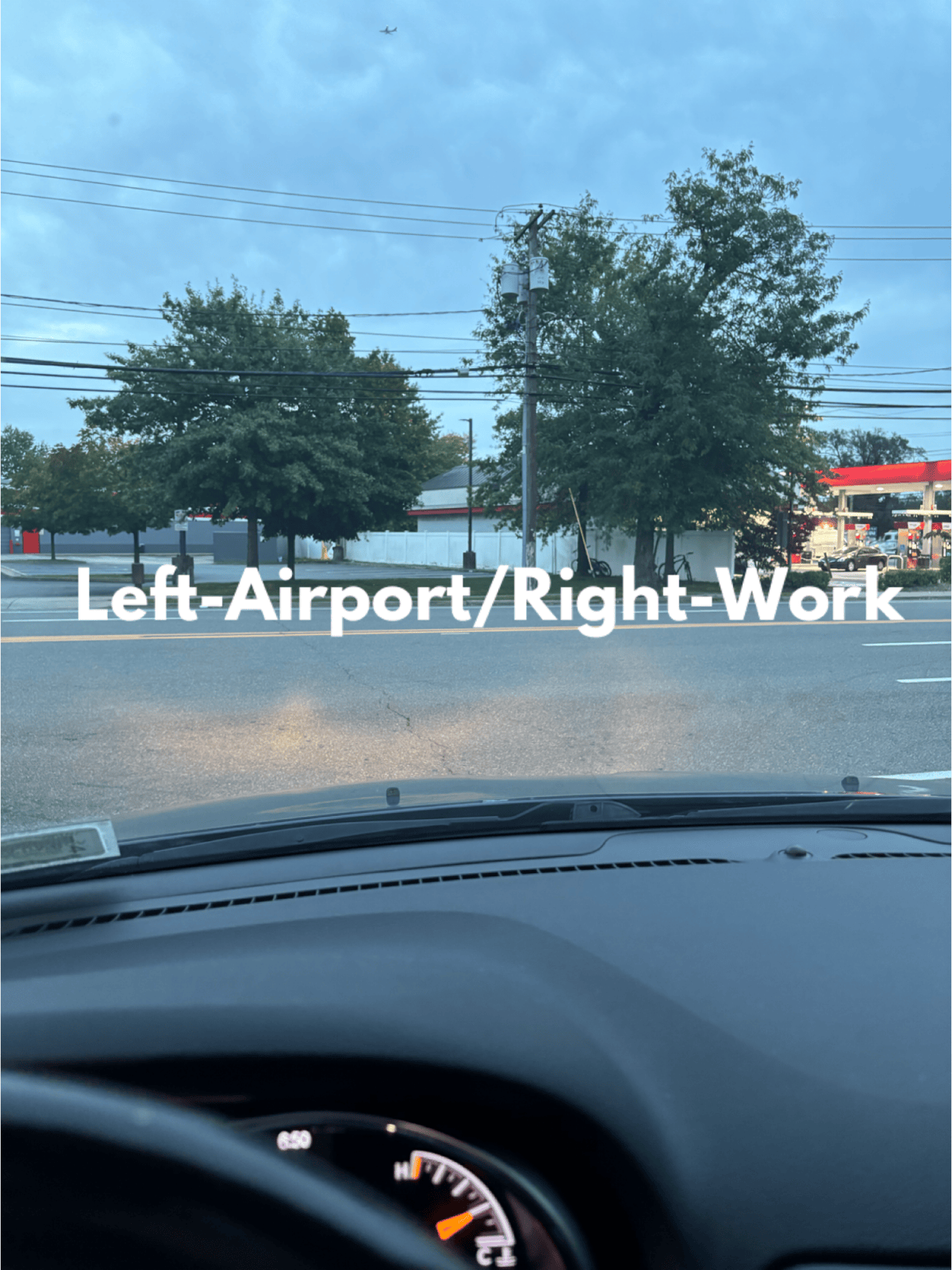
Every morning, I leave Starbucks, put on my blinker and make a right turn toward work.
And every morning, a tiny part of me wants to make a left.
Left takes me toward JFK Airport. JFK has airplanes. Airplanes go to Bali.
You see where I’m going with this.
One Venti Iced Americano in the cup holder, one credit card in my wallet and approximately one questionable life decision later, I could be sitting in Seat 14A headed toward a place where nobody knows my name, nobody needs anything from me and I have absolutely no idea what day the garbage goes out. One-way ticket, please.
Of course, I make the right.
I always make the right.
Somewhere along that very familiar drive to work, life begins unfolding around me.
This morning I’m stuck in traffic and glance over at the woman in the lane next to me. She’s on the phone, screaming. Not talking loudly. Screaming.
Her face is tense. Her hands are flying. Whatever is happening on the other end of that phone is clearly not going well.
My first thought could easily be, Lady, it is way too early for this.
But then my mind does what my mind does.
Maybe she was up all night with a teething baby who cried until 4:00 a.m. Maybe she finally got the baby to sleep, crawled into bed for seventeen glorious minutes and then overslept. Maybe her husband just called to tell her they’re out of formula.
Maybe she isn’t angry at all.
Maybe she’s exhausted.
Maybe she’s scared.
Maybe today is simply the day that one more thing became one thing too many.
Traffic moves.
A man suddenly walks across the street in front of my Jeep without looking.
I hit the brakes.
Seriously?
And then again, my brain starts writing his story.
Maybe he was recently diagnosed with dementia. Maybe the neighborhood he has walked through for forty years suddenly doesn’t look quite as familiar. Maybe someone at home is terrified because he slipped out the front door and they don’t know where he is.
I don’t know.
That’s the point.
None of us knows.
Eventually I reach the railroad crossing. The gates are down, so I sit there with my Americano and watch the train pull into the station.
The doors open.
People pour out.
Hundreds of them move toward the parking lot in these strange rippled waves. Work bags over shoulders. Phones in hands. Heads down. One foot in front of the other.
They look tired.
Some look miserable.
And I wonder how many of them got up before sunrise, showered, packed lunches, fed dogs, woke kids, kissed spouses, caught trains, answered emails and did everything they were supposed to do today.
How many are worried about a parent?
A child? A marriage? A mortgage? A diagnosis?
How many are just plain tired?
And how many of them, somewhere deep inside, want to make a left too?
Maybe not to Bali.
Maybe their Bali is opening a bakery.
Writing a book.
Moving to the mountains.
Going back to school.
Quitting the job they have hated for fifteen years.
Traveling.
Starting over.
Or simply waking up one morning without an alarm clock and asking themselves, What do I want to do today?
We spend so much of our lives making the right turn.
And I don’t mean right as in direction.
I mean the right thing.
We go to work. We pay the bills. We take care of our families. We show up. We answer the phone. We make the appointments.
We sit in traffic.
We keep moving.
Right turn.
Right turn.
Right turn.
Maybe that is part of how my blog was born.
Somewhere between Starbucks and work, between railroad crossings and red lights, I started paying attention.
To people.
To stories.
To moments.
To the woman yelling in the car beside me and the man wandering across the street and the exhausted commuters rolling toward their cars like waves reaching the shore.
I started wondering about their stories.
And then I started wondering about mine.
Writing became my little left turn.
I didn’t have to quit my job, abandon my family and board a flight to Bali with nothing but a Venti Americano and a dream.
I could make the right turn toward work and still take a left somewhere along the way.
Maybe that’s what dreams really are. Not always an escape hatch from the life we’ve built.
Sometimes they’re the little roads we finally give ourselves permission to explore.
So tomorrow morning, I’ll probably leave Starbucks and make the right turn.
I’ll head toward work.
I’ll stop at the railroad tracks.
I’ll watch the people.
I’ll wonder about their stories.
And I’ll keep writing mine.
But one of these mornings?
I might just put on the other blinker.
JFK is only a left turn away.
I am beyond grateful to Da-Al for featuring this piece on her site and with her followers. Her work lights me up and at times cry like a baby. I am beyond thrilled to be noticed and offered this opportunity.
I think I’ve had a weight problem since I was ten years old.
That was probably the last time I remember feeling “light.” From that point on, I knew I was taller and chunkier than most of the girls around me. I was also reminded to watch my weight often—okay, daily—through the occasional not-so-subtle, passive-aggressive comment from my parents.
That, my friends, is another blog for another day.
Stay in your lane, Kiki. Do not let the Squirrel Brain take this exit.
There were decades of diets, plans, lifestyle changes, challenges and, let’s face it, starvation.
Before the World Wide Web could somehow crawl inside your brain and determine that you had briefly considered losing ten pounds, there were magazine ads and late-night infomercials. They promised that some fabulous new plan would not only help you lose weight but practically melt 50 to 100 pounds off your body while you slept.
Enter the “Rice Report.”
Kiki lost 44 pounds in 11 weeks.
Forty-four.
Was I thin? Yep.
Was I happy? Nope.
I was miserable. I crashed every afternoon and by 9 p.m. I was crawling into bed like someone had unplugged me from the wall.
Then came Weight Watchers.
Weight Watchers actually taught me something that stuck: how to structure my meals and how to eat the foods I wanted as long as I planned for them. There were no “good” foods or “bad” foods. There were choices.
That concept stayed with me.
The problem was that sometimes my emotions were louder than everything I had learned. Food could make a bad day feel better. Or at least I thought it could.
I knew how to eat healthy.
I just didn’t always choose to.
If you’ve been hanging around Kiki’s little corner of the Internet for a while, you know that I started training daily in 2014. The first day I walked into that boot camp, I weighed 264 pounds.
At first, I changed absolutely nothing about the way I ate. I just worked out.
A few months later, my trainer approached me about meal planning and properly fueling those workouts.
Apparently my ears were open that day.
Something clicked.
I listened.
Meal prepping became my new best friend. My involvement—okay, obsession—with Pinterest suddenly became useful. I pinned high-protein, lower-carb concoctions like it was my full-time job. I traded recipes with people in my Spartan Facebook group. I found ways to keep meals fresh, interesting and, most importantly, yummy.
And it worked.
I was shedding pounds while gaining muscle. I tracked everything I ate.
Everything.
Even that little handful of M&M’s I grabbed while walking out the door.
Nice try, Kiki. The M&M’s still count.
But there was a problem.
Sunday meal prep became a flipping chore.
Four or five hours every Sunday chopping, measuring, grilling, portioning and packing little containers. Eventually, I started to resent it. I began cutting corners just to save time.
I tried supermarket frozen meals for a few weeks.
Bad idea.
Between the sodium and whatever else was hiding in those little plastic trays, I blew up like the Macy’s Thanksgiving Day Parade.
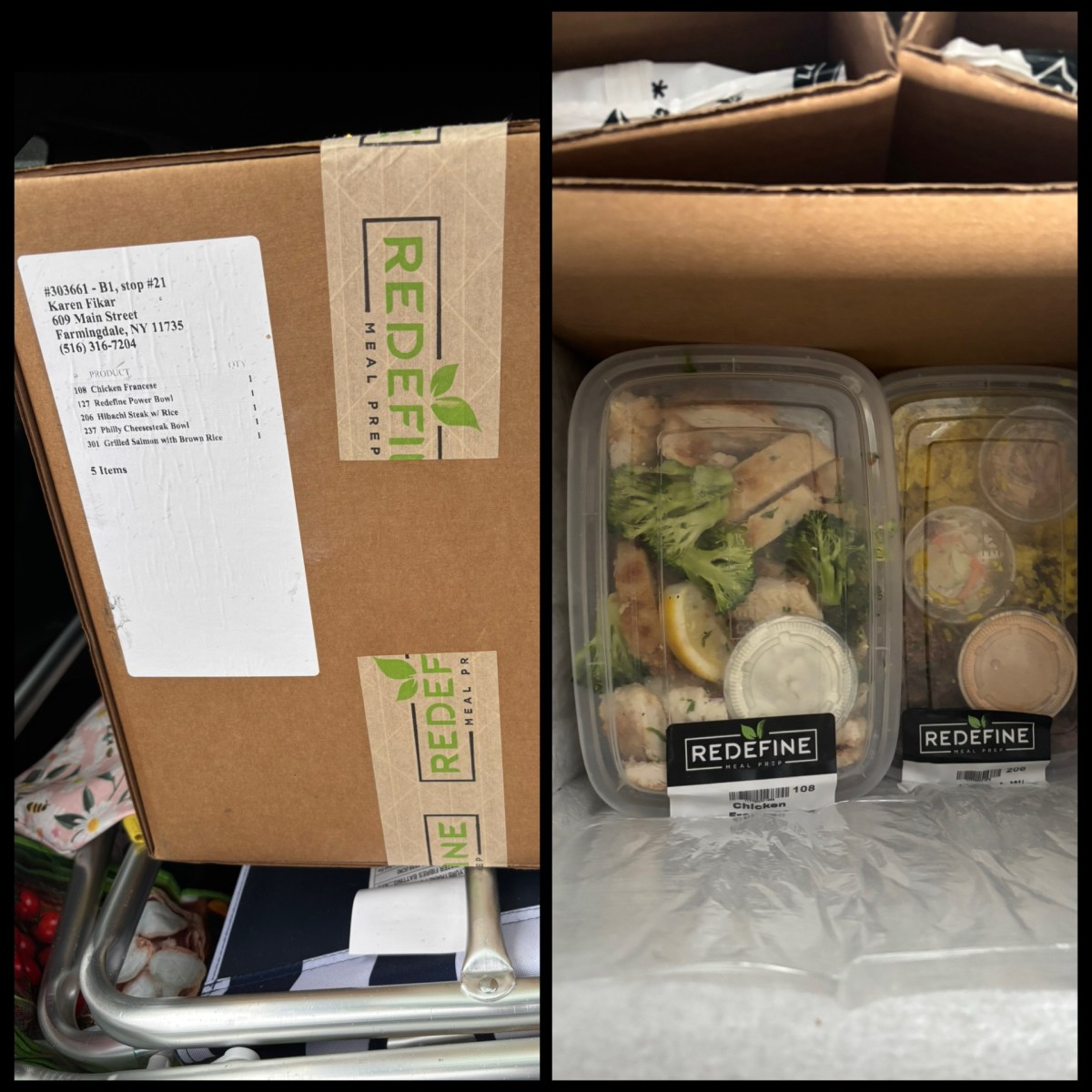
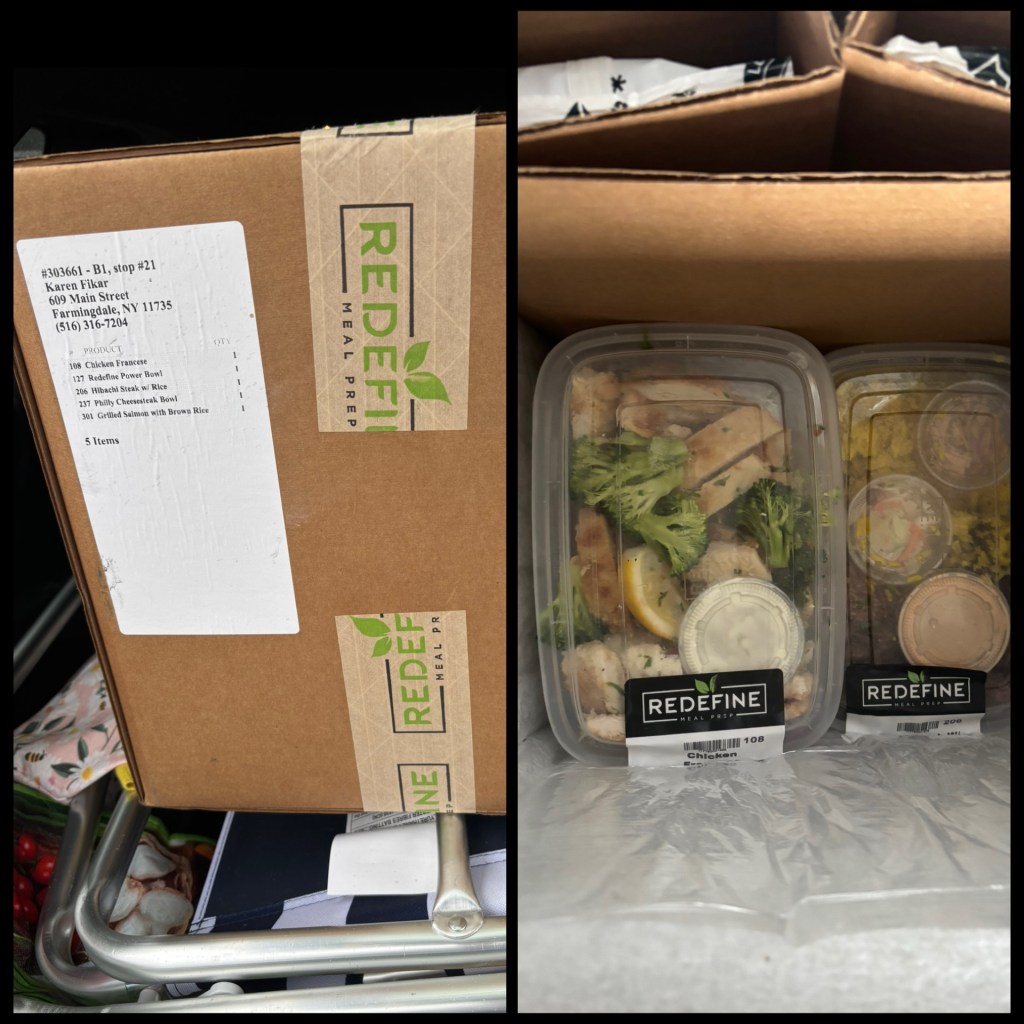
Then last year, a meal prep company showed up at my gym with samples.
Hello.
I brought the idea home and discussed the cost with Ernie. I added up what I was spending at the supermarket, factored in the hours I was losing every Sunday and performed what I lovingly refer to as Kiki Math.
Ernie looked at me and said, “Try it.”
I placed the order.
Happy to report: It’s a hit.
Every Thursday, I order my lunches for the following week. That’s it. Breakfast is usually Greek yogurt or cottage cheese. Snacks are green grapes or chunks of cheese. Dinner is one cup of whatever deliciousness Ernie happens to whip up.
And yes, I still eat ice cream.
I just log it.
I plan for it.
Because somewhere along this very long road, I finally realized that healthy eating—for me, anyway—isn’t about never eating ice cream again.
Dear God. What kind of life would that be?
It’s about knowing myself. Planning ahead. Having food ready when I’m hungry. Eating enough to fuel the things I ask my body to do. And leaving room for the foods that simply make me happy.
Are there days when I wish I could throw the entire plan out the window and eat absolutely everything I want?
Of course.
I dream of calling my favorite chef, the Barefoot Contessa, and saying, “Ina? Kiki here. I’d like three of everything, please.”
But until Ina answers my call, I’ll keep doing what works.
Greek yogurt. Grapes. Cheese. Meal prep. A cup of Ernie’s dinner.
And a little ice cream.
Because after decades of diets, deprivation, measuring, weighing, counting and trying to become some magical “new me,” I finally figured something out.
I don’t need a new me.
I just need to take care of the one I’ve already got. And if that occasionally requires a scoop of ice cream?
It was the mid-80s. I was fresh out of college. I had mile-high curly hair, a killer tan lingering from an entire summer spent at the beach and, in my hand, a plane ticket to Ixtapa, Mexico.
What could possibly go wrong?
Weeks earlier, my friend Maureen and I had spotted an ad in the back of Glamour magazine for a resort in Ixtapa. That’s how we found vacations back then, kids. There was no Expedia. No TripAdvisor. No Google reviews from Susan in Ohio complaining that the continental breakfast only had three kinds of muffins.
You flipped through a magazine, saw a picture of a palm tree and thought, Looks fabulous. Book it.
Maureen and I worked at The Big G—GEICO—before it exploded into the insurance giant it is today. Maureen was a Sales Supervisor and I was writing training manuals for Customer Service. Our regional supervisor’s husband, Morris Rosenberg, was a travel agent for a cruise line.
We told Morris we didn’t want a cruise, but could he hook us up with a resort?
A few days later, ten glossy, colorful brochures arrived at the office.
We studied them like we were choosing a new home.
Two weeks later, we were on a flight to Mexico for seven days of sun, unlimited drinks and as much fun as two New York girls in 1987 could possibly get into.
Again.
What could possibly go wrong?
The first few days are admittedly a blur. Severe sunburns. Tequila hangovers. Hair that somehow grew larger with every passing day.
It was glorious.
By Day Five, the burns had turned to tans and we were ready to resume our regularly scheduled programming.
Now, if you think I’m chatty, you should meet Maureen. This woman could charm the pants off you, interview you and somehow get you to reveal your deepest childhood trauma before you realized you had even told her your last name. She is a marvelous conversationalist.
We were early for dinner reservations one evening, so naturally we waited at the bar.
Another margarita?
Why yes. Thank you very much.
Sitting beside us was a mother and her two grown daughters. Small talk became more talk. They were from New Jersey. They all worked in New York City. Mom was a retired physician who had recently lost her husband, and her daughters had given her this trip as a gift.
They were great fun.
Twenty-one minutes later, they invited us to join them for dinner.
Naturally, we said yes.
Because who turns down a dinner invitation from complete strangers you’ve known for almost half an hour?
Somewhere around the clearing of the appetizers, we heard a roar.
Not just a noise.
A ROAR.
The loudest, deepest rumbling sound I had ever heard.
Maureen looked at me.
“Oh, that’s just the laundry cart rolling by outside.”
Que?
I rolled my eyes.
“Ladies, she’s loopy. It’s clearly a plane taking off.”
The airport was 90 minutes away.
Then the chandeliers started swaying.
Waiters suddenly appeared with our checks—even though our dinners hadn’t arrived.
“Señoritas,” they calmly explained in their best broken English. “There is an earthquake. Please exit onto the beach. You will need to walk the shoreline back to your hotel. Buenas noches.”
Que?
WHAT?
We bid adieu to Mama Doc and her flock and headed for the beach.
Very obedient travelers.
Just two New York chicks wandering along the shoreline during an earthquake in Mexico.
Completely normal.
I have no idea how long it took us to make it back to our resort, but eventually we arrived and found one of the pool bartenders.
“What is happening?”
He waved away our concern.
“As long as there is no crack in the swimming pool, everything is completely fine.”
Que?
WHAT?
Apparently, this was the Mexican Richter Scale.
No crack in the pool?
Carry on.
Our flight home was scheduled for the next day. Nobody had any information because, remember, this was 1987.
Cell phones?
What are they?
Somehow we made it to the airport the following day. How? No recollection whatsoever.
What I do remember is arriving to find—
No flights.
Because apparently an earthquake wasn’t enough excitement for one vacation.
Morris Rosenberg had booked us on AeroMexico for the trip home. Direct flight to JFK. Perfect.
Except the airline workers had decided that the very first day of their strike would also be the very day of our departure.
Of course they did.
Hours later, we were placed on another AeroMexico flight that “might” leave.
Maureen immediately renamed the airline:
Aero Maybe.
We shuffled down the counter to American Airlines, where an agent typed into a computer roughly the size of my current kitchen and eventually produced boarding passes for a 2:00 a.m. flight to Dallas.
They gave us hotel and transportation vouchers AND a free domestic flight to use within the next year.
Boom.
Done.
We had hours to kill, so we took the shuttle to the hotel across the street, showered, freshened up and then wondered what two responsible young women should do until their 2:00 a.m. flight.
Our feet took us downstairs to the bar.
Naturally.
There we found a whole group of people booked on our flight.
We had a drink.
Then two.
Then the tequila shots started.
I swear, if cell-phone cameras had existed in 1987, I would STILL be a viral TikTok video.
That hotel bar erupted into a party that rivaled anything I had witnessed in college.
Dancing on the bar.
Singing.
Swan diving into crowds of people.
Crowd surfing.
And I’m pretty sure this was before karaoke was even a thing.
My next clear memory is waking up in seat 24D beside a guy named Mike Kelley who worked in New York City.
Maureen was two rows behind me with some German businessman named Karl.
Que?
WHAT?
I looked at my watch.
The sun was coming up.
We were still on the tarmac.
It was 6:00 a.m.
Our 2:00 a.m. flight had never left.
Apparently, the plane needed a part for the air conditioner.
Then came the captain.
“Folks, our crew needs to have this part installed. Shouldn’t be much longer.”
Oh my.
Four hours later?
Still on the tarmac.
No deplaning.
Just sitting there.
Finally, around 11:00 a.m., the seatbelt sign came on.
I looked toward the stewardesses—yes, they were still called stewardesses then—and watched them make the Sign of the Cross before fastening their seatbelts.
Excellent.
Very reassuring.
At that exact moment I thought:
I am not going to live to see 23.
Mike Kelley woke up with drool on his golf shirt.
Maureen and Karl were still deep in conversation.
And somehow, miraculously, we landed in Dallas.
Where another announcement awaited us.
There was no crew available to process the international passengers.
So we would continue on to Chicago.
Of course we would.
At this point, one thought finally hit me.
How will my parents know I’m alive?
Surely the earthquake had made the news back home.
There were no cell phones. No texting. No Find My Friends. No “Marked Safe on Facebook.”
Just my parents somewhere on Long Island wondering where in God’s name their daughter was while I toured the United States with Mike Kelley, Karl and Aero Maybe.
Long story longer, our plane finally arrived at JFK approximately two and a half days after our journey home had begun.
We were crispy.
Exhausted.
Beyond dehydrated.
Maureen’s father, a retired NYPD officer, picked us up at the airport. My parents met me at Maureen’s house.
And because we were young and apparently indestructible—
we went to work the next day.
When we saw our supervisor, we launched into the story.
The earthquake.
The airline strike.
The hotel-bar Olympics.
The broken airplane.
Dallas.
Chicago.
The missing two and a half days of our lives.
She stared at us blankly.
Not an ounce of sympathy.
Then, in the finest Long Island accent imaginable, she shrugged and said:
“So? So you saw a lot more of America than you wanted to. So what?”
Nearly forty years later, Maureen and I still howl over that line.
And maybe that really is the moral of the story.
Travel teaches you things. It broadens your horizons. It introduces you to new people, new cultures and new experiences. Sometimes it even introduces you to Mike Kelley in Seat 24D and a German businessman named Karl.
But most importantly, I learned that when life throws you an earthquake, an airline strike and a broken airplane all in one vacation, there is really only one important question to ask:
Apparently, while I have been happily writing, posting and wondering where some of my usual blog buddies have been… YOUR COMMENTS HAVE BEEN SITTING IN SPAM AND PENDING FOLDERS.
Yes. Spam.
Some of you have apparently been talking to me for quite some time while I have unknowingly been ignoring you.
I AM HORRIFIED. 😂
Please know that I would never intentionally ignore a comment. Your words, stories, encouragement, laughs and love are one of my absolute favorite parts of this little corner of the internet we have created together.
So if you commented and heard nothing but crickets from Kiki, please accept my sincerest apologies. It wasn’t me. It was the folder. And I am absolutely blaming technology because well, I’m not that strong in tech.
I am slowly digging through the comment graveyard now and finding little treasures from all of you that I never knew were there.
Thank you for reading. Thank you for commenting. Thank you for coming back. And most of all, thank you for all the loyalty and love you continue to send my way. I’m never leaving you!
Apparently some of that love just took a detour through Spam. ❤️
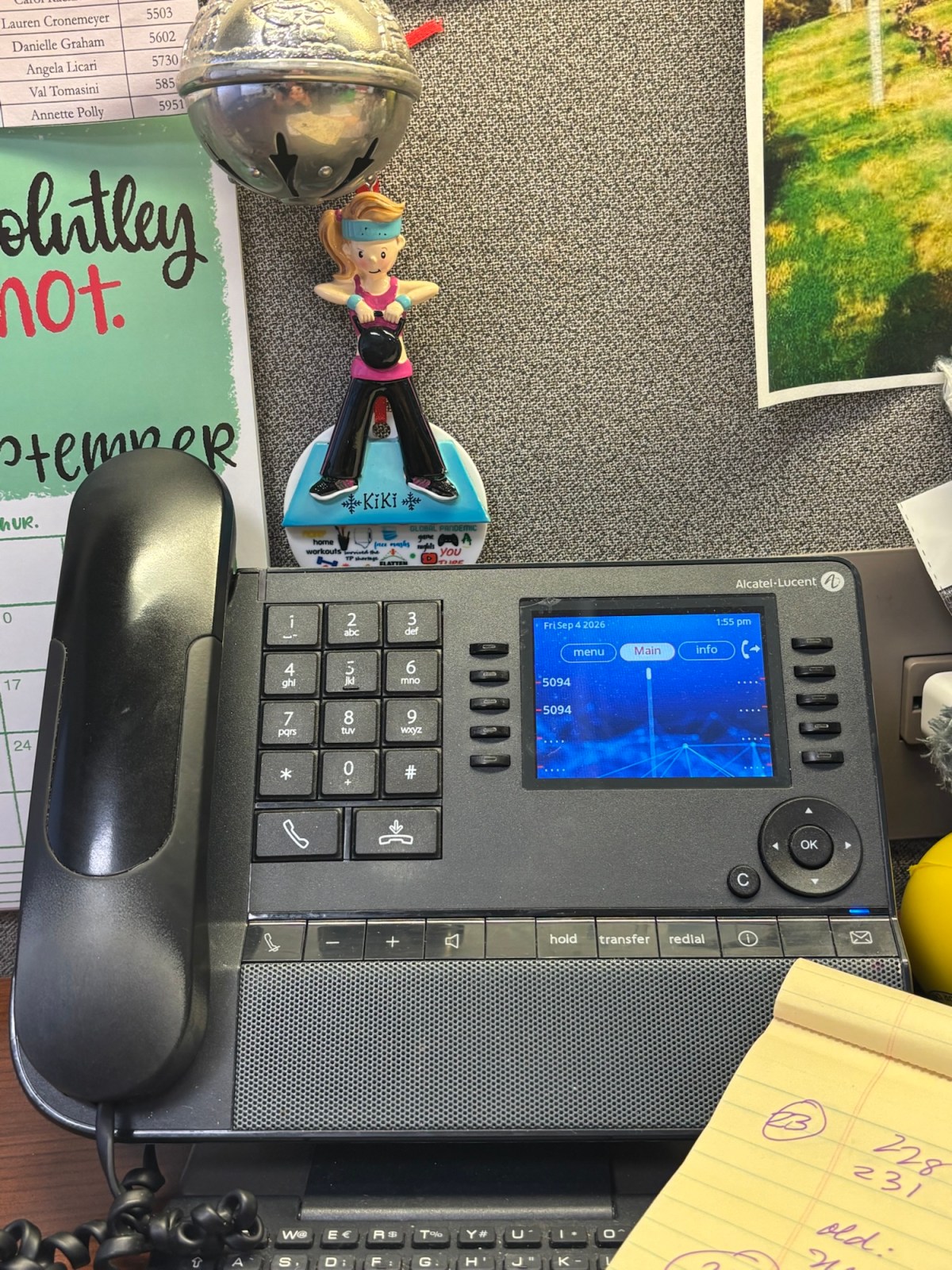
This is the way I have started my workday since November 12, 2011.
Only my third job since college, I landed in a school district here on Long Island that educates 7,281 students as of 1:32 p.m. today. Soon to be 7,283 if the set of twins I’m waiting on ever submits their applications.
But who’s counting?
Me. I’m counting.
School started Wednesday, September 2nd—two days ago. While everyone else thinks of the first day of school as new backpacks, freshly sharpened pencils and adorable pictures on front porches, I think of it as the finish line of a marathon I have been running all summer.
I work year-round preparing for Day One and then spend every day afterward cleaning up records, accounts, addresses and the approximately 47 billion changes that come along with 7,000-plus students.
Then there’s the other part of my job.
Investigations.
Yes. Investigations.
Part of my position involves finding families who say they live in our district but actually live in another town—sometimes five minutes away and occasionally an hour away.
That part of my job is insanely gratifying but grueling. It requires meticulous documentation, attention to detail and, every now and then, a little Nancy Drew action.
When I first started this job, everything was submitted on paper.
Everything.
Parents had to prove residency, which meant a constant parade of people through my office carrying utility bills, leases, deeds, licenses and assorted paperwork that looked like it had been shoved into the glove compartment sometime during the Clinton administration.
Nine times out of ten, no copies had been made.
So off I went to the copy machine approximately 8,878 times per day.
By the time I returned, their children might be climbing on my desk or rearranging the family pictures on my wall. Occasionally, the way a parent spoke to their children—or to me—would make me wonder:
If this is how we’re behaving in public, what in God’s name is happening at home?
I digress.
In 2013, I attended a workshop showcasing something revolutionary: online registration.
Parents could upload documents from home. I could review and import everything electronically into our student management system.
Cue the angels singing.
I was a one-woman show, and I convinced the district that the benefits far outweighed the cost.
We became the first district on Long Island to implement the program.
Since then, I’ve met with representatives from about 14 other districts and convinced them to purchase it too.
No commission for Kiki.
Still waiting on that check.
But I remain very proud that we climbed aboard the S.S. Online Registration before practically everyone else.
This morning, while talking to a parent on the phone, a thought popped into my head.
How the hell do I keep all of this together?
And the truth is, sometimes I don’t know.
If you’ve been here awhile, you know I was involved in a serious car accident. The injuries from that crash affected my memory and my speed. So I quietly adapted.
I created a system.
My system.
I document everything. I check. I double-check. I leave myself breadcrumbs so nothing gets lost along the way. No one walking into my office would ever know why I do things the way I do, and that’s exactly how I want it.
Because these aren’t just files.
They’re kids.
A mistake in a student record can follow that child into a classroom, an account or another school. I never want that mistake traced back to my desk.
So I do whatever it takes.
Every deadline gets met.
Usually early.
The day before school opened this year, I sat in my car at the end of the day and took a picture of myself. I posted it on Instagram announcing that all students were officially locked and loaded for the 2026–2027 school year.
Wave One complete.
I was exhausted.
And proud.
I reread that post this morning and had a thought I wasn’t expecting.
This may have been my last summer.
My last tidal wave.
My last countdown to Day One.
My last time staring down thousands of registrations and wondering how in God’s name I was going to get them all done—and then somehow getting them all done anyway.
I have some numbers to crunch when October rolls around. Early retirement may be knocking on the door.
And for the first time, I’m wondering whether I want to do this all over again next summer.
Fifteen summers is a long time.
And what a fifteen years it has been.
After Hurricane Sandy devastated our district, I sat in my dark office with families by flashlight, collecting paperwork so they could file for homeless status. Nearly half the homes in our district were affected. I listened to people tell me what they had lost and where they were sleeping that night. Some of those families have only recently finished rebuilding their homes.
I still keep in touch with many of them.
Then there are the stories on the completely opposite end of the emotional spectrum.
Ohhhh, the residency investigations.
Families who insist they absolutely, positively live at an address in our district while investigators are watching them sneak out of a completely different house early in the morning and pile into a car.
Then they sit across from us in a meeting and lie.
Straight-faced.
Absolutely committed to the performance.
Until my superintendent calmly turns the laptop around.
And there they are.
On video.
Busted.
There really should be popcorn served at those meetings.
Through hurricanes, investigations, piles of paperwork, new technology, thousands of phone calls, a pandemic, my own accident and fifteen first days of school, I’ve kept answering that phone.
“Registration…Karen speaking.”
I’ve personally registered nearly 28,000 students during my time here.
Twenty-eight thousand kids.
Twenty-eight thousand beginnings.
There is nothing glamorous about my job. Nobody applauds when the student database is correct. There is no standing ovation because every child has an ID number, an address, a schedule and a seat waiting for them on the first day of school.
That’s okay.
Because I know.
I know what it took to get them there.
Maybe I’ll do it all again next summer.
Maybe I won’t.
Maybe this really was my last great registration tidal wave.
But if it was, I think I can walk away knowing something pretty wonderful:
For fifteen years, while thousands of kids were getting ready for their first day of school, I was quietly getting ready for them.
And somewhere along the way, nearly 28,000 little names passed across my desk and into classrooms.
I think the answer to this question might be better answered with another question:
What movie has NOT made me cry?
Let’s face facts. Kiki is a sap.
I’m an empath. Sure, I am strong like bull, but I am also chock-full of emotions. Filled right to the brim, actually, like an emotional piñata just waiting for someone to give me one good whack.
A well-written movie can move me to tears—the happy AND the sad kind. And please. It doesn’t even have to be a movie.
I am a marketing executive’s dream.
Give me a well-written commercial with a returning soldier, an elderly couple, a lost dog or a kid surprising his mother and I am DONE. There was an old Folgers commercial where the son comes home from the Marines on Christmas morning. “The best part of waking up is Folgers in your cup.”
Dear God.
I’ll never recover.
I don’t even drink Folgers, but apparently I’m emotionally invested in their entire family.
Sometimes these Daily Prompts show up at eerily precise moments. I’ll see something, hear something or experience something and then—BAM—WordPress comes knocking with a prompt that fits perfectly.
Such was the case this morning.
I had finished my shower, my daily meditation/inspiration track and was sipping my coffee while taking a quick stroll through Instagram. Guilty pleasure. No apologies.
An old cinema account I follow popped onto my screen.
And there it was.
The scene.
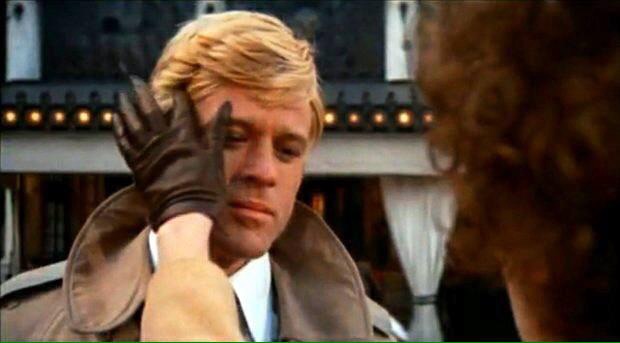
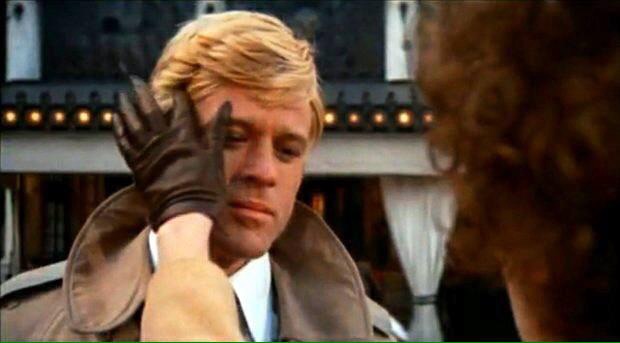
Robert Redford.
Barbra Streisand.
Hubbell and Katie.
The final scene of The Way We Were.
Their love story was never meant to be. Honestly, those two were doomed from the beginning. But still, after everything, when Katie reaches up and brushes Hubbell’s hair across his forehead in that final scene?
Holy Mother of God.
I lose it.
And I don’t just cry. Oh no. Amateur hour.
I recite the lines.
With inflection.
I am IN the scene. I may as well be sitting in a director’s chair just off camera wearing a headset and yelling instructions through a megaphone.
“Okay, Barbra…reach for the hair…beautiful…Robert, give me wistful…WISTFUL! Annnnd…CUE THE TEARS!”
The dialogue ends.
Cue Babs singing The Way We Were.
And Kiki is officially goo.
A big puddle of emotional goo sitting there with her morning coffee, sobbing over two fictional people whose relationship ended more than 50 years ago.
Such was the case this morning. As I tried to sop up the puddles forming under my eyes, I opened Jetpack/WordPress and Daily Prompt 2859 sprang to life:
What is the last movie that made you cry?
How apropos.
There have certainly been plenty of movies that have touched my soul over the years, but The Way We Were was one of the first—besides Old Yeller, which frankly should have come with a childhood trauma warning—that taught me just how deeply a movie could reach inside you.
So, what was the last movie that made me cry?
Apparently one I’ve already cried over about 847 times. Pass the Kleenex.
There are a few accounts I follow on Instagram that genuinely make me smile. Not the perfectly curated houses or the people making a seven-course dinner on a Tuesday night while wearing a white cashmere sweater. Those people make me question my life choices.
I’m talking about the accounts that just make me feel good.
One belongs to a comedian/guy who walks around various cities wearing a very distinct—and very bold—purple smoking jacket. He strolls along, randomly stopping people and tossing compliments their way.
“You’re looking very dapper today.”
“That shirt really lights up your face and your eyes!”
“I love your style!”
Sometimes people stop, smile and engage with him. Other times they keep their heads down and continue walking, probably wondering why a man in a purple smoking jacket is talking to them.
Either way, he says it.
The other account belongs to actor Steve Guttenberg. You may remember him from the Police Academy movies and Three Men and a Baby. Steve grew up near me, so I’ve always followed his career a little more closely.
Fun fact: he hung out at our local pizzeria when he was younger, and his headshot still hangs on the wall there. I may or may not have ridden my bike there as a teenager hoping he would be be there so I could catch a glimpse of him on my way out.
I digress…
Yesterday, Steve posted a message that basically said if you have something nice on your mind, say it.
He told a story about getting off a train and noticing a guy wearing a really nice shirt. Steve almost just kept walking but thought, Why not tell him?
So he did.
“Excuse me. I just wanted to tell you that’s a really nice shirt.”
The guy looked him straight in the eye and for a second Steve thought maybe he was going to bark at him for bothering him. Instead, the man’s face lit up.
“Thank you so much! My wife bought me this shirt and I can’t wait to tell her this is the second compliment I’ve gotten on it today!”
And there it was.
A few seconds. A handful of words. And someone walked away feeling just a little bit better.
I’ve always been someone who passes along a compliment when something strikes me. I don’t really think about it. If I love your shoes, I’m probably going to tell you. If your hair looks fabulous, you’re going to hear about it. If you have a great smile, cool glasses, a beautiful dress or just something about you catches my eye, chances are I’m going to say it.
I’m not looking for anything in return. I just want to say it.
Sometimes people barely acknowledge me and keep walking. That’s okay. Other times, a simple compliment turns into a wonderful little conversation between complete strangers.
And every once in a while, something happens that reminds me exactly why I do it.
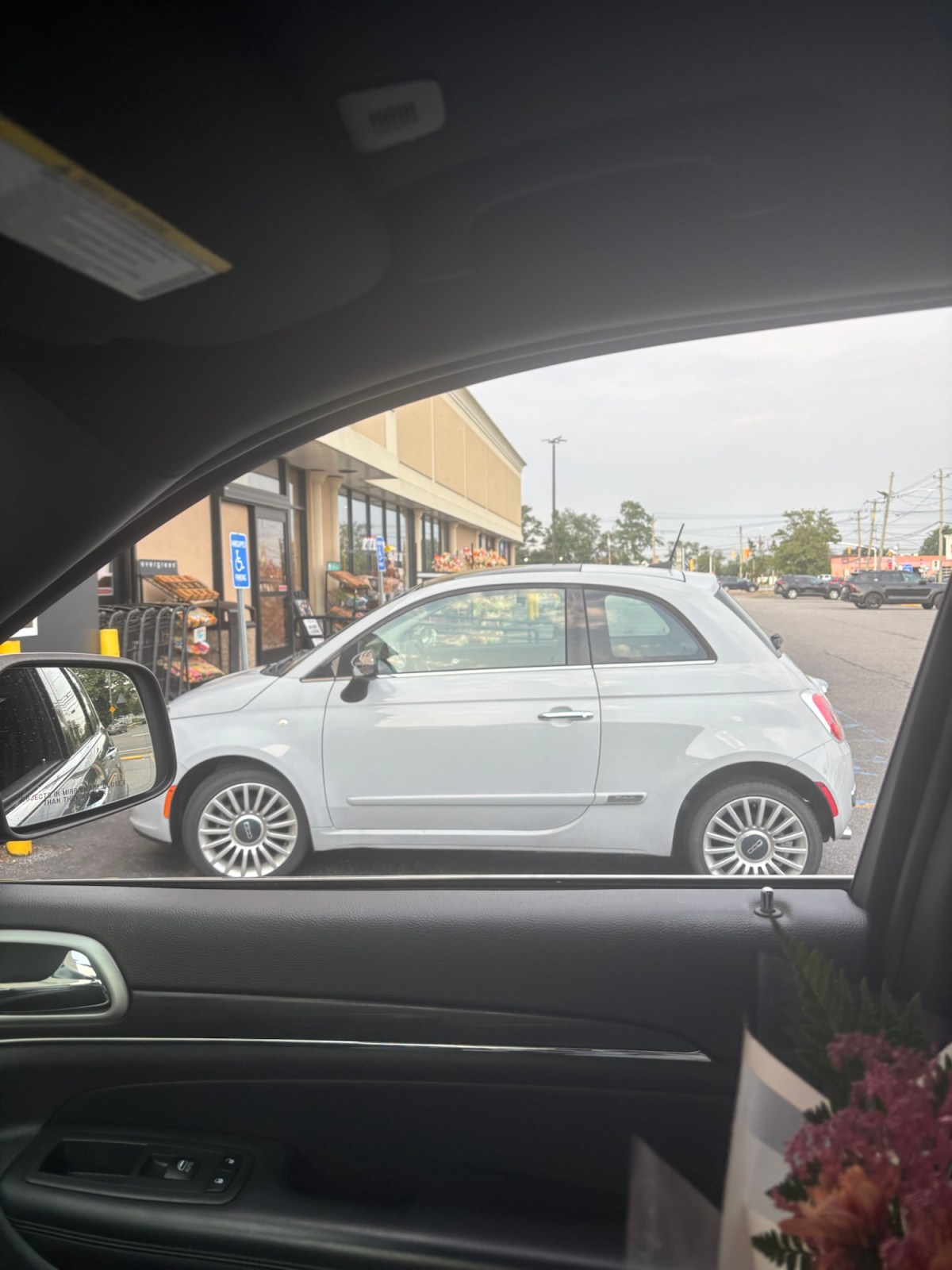
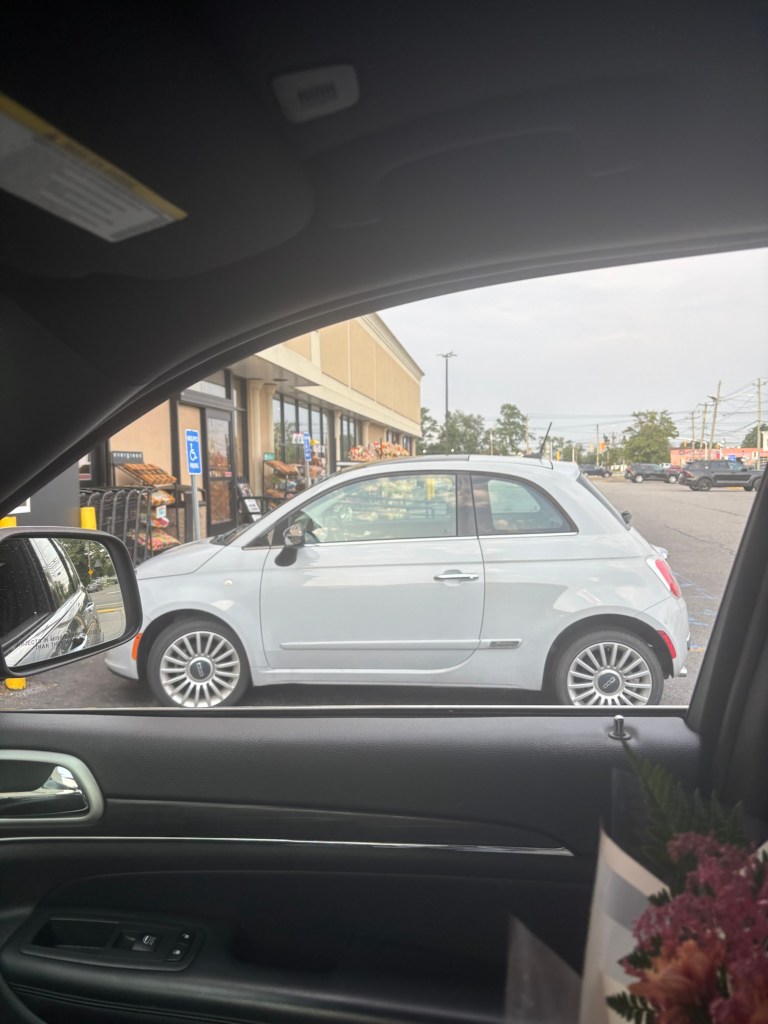
This morning I was pulling out of the parking lot at Uncle Giuseppe’s when a woman pulled into the spot next to me in what looked like a brand-new little Fiat.
I immediately noticed her and thought, Oh my God. This woman matches her car perfectly.
Hear me out.
The Fiat was this beautiful, very light gray color. The woman was tiny, perfectly put together, with this gorgeous, perfectly coiffed gray hairstyle.
She and that Fiat were a set.
She looked over at me as she got out of the car. We made eye contact. I could have smiled, backed out and gone about my day.
Instead, I rolled down my window.
“I absolutely love your car,” I said. “And I have to tell you—your whole look matches it perfectly.”
Well.
Her entire face lit up.
She put her hand to her chest and said, “That is the nicest thing anyone has said to me in a long time.”
Oooof.
I smiled and told her I hoped she had a wonderful day.
Then I drove away.
I have no idea who she was. I don’t know what kind of morning she had before pulling into Uncle Giuseppe’s. I don’t know what was waiting for her later in the day. And she certainly didn’t know anything about me.
For about thirty seconds, none of that mattered.
Two strangers crossed paths in a supermarket parking lot and one said something nice to the other.
That was it.
Listen, there are plenty of days when I don’t feel like talking to anyone. I can be cranky. I can be tired. I can absolutely give off a strong please don’t make me people today vibe. I am not strolling through life in a purple smoking jacket sprinkling sunshine on everyone I encounter.
But maybe that’s exactly why these little exchanges matter so much.
We spend an awful lot of time thinking things we never say.
Her hair looks beautiful.
He has a great smile.
I love that jacket.
She handled that situation so well.
That person was incredibly kind.
And then we just…keep walking.
Why?
The nice thought is already there. The words are sitting right behind our teeth. All we have to do is let them out.
Because you have absolutely no idea what someone is carrying around when they cross your path. You don’t know if they woke up feeling fabulous or if they’re barely holding the day together. You don’t know if anyone has said something kind to them lately.
And maybe your five-second compliment won’t change their life.
But it might change their next five minutes.
It might put a little spring in their step as they walk into Uncle Giuseppe’s.
It might make them smile when they get back into their perfectly matched little gray Fiat.
And who knows? Maybe they’ll pass that feeling along to someone else.
So if something kind pops into your head today, don’t overthink it.
Roll down the window.
Tell the stranger you love the shirt.
Compliment the hair.
Admire the car.
Just say it.
Kind words are free.
But every once in a while, you get lucky enough to see just how much they’re worth.
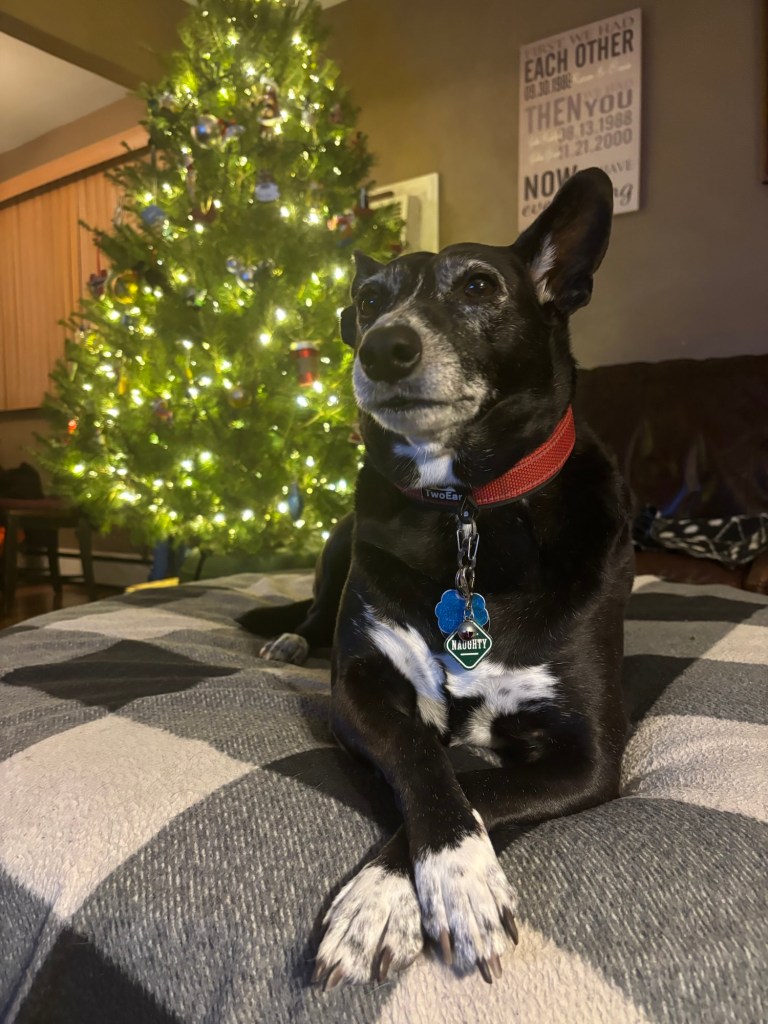
Share a photo of your pet and tell us one thing that makes them uniquely them.
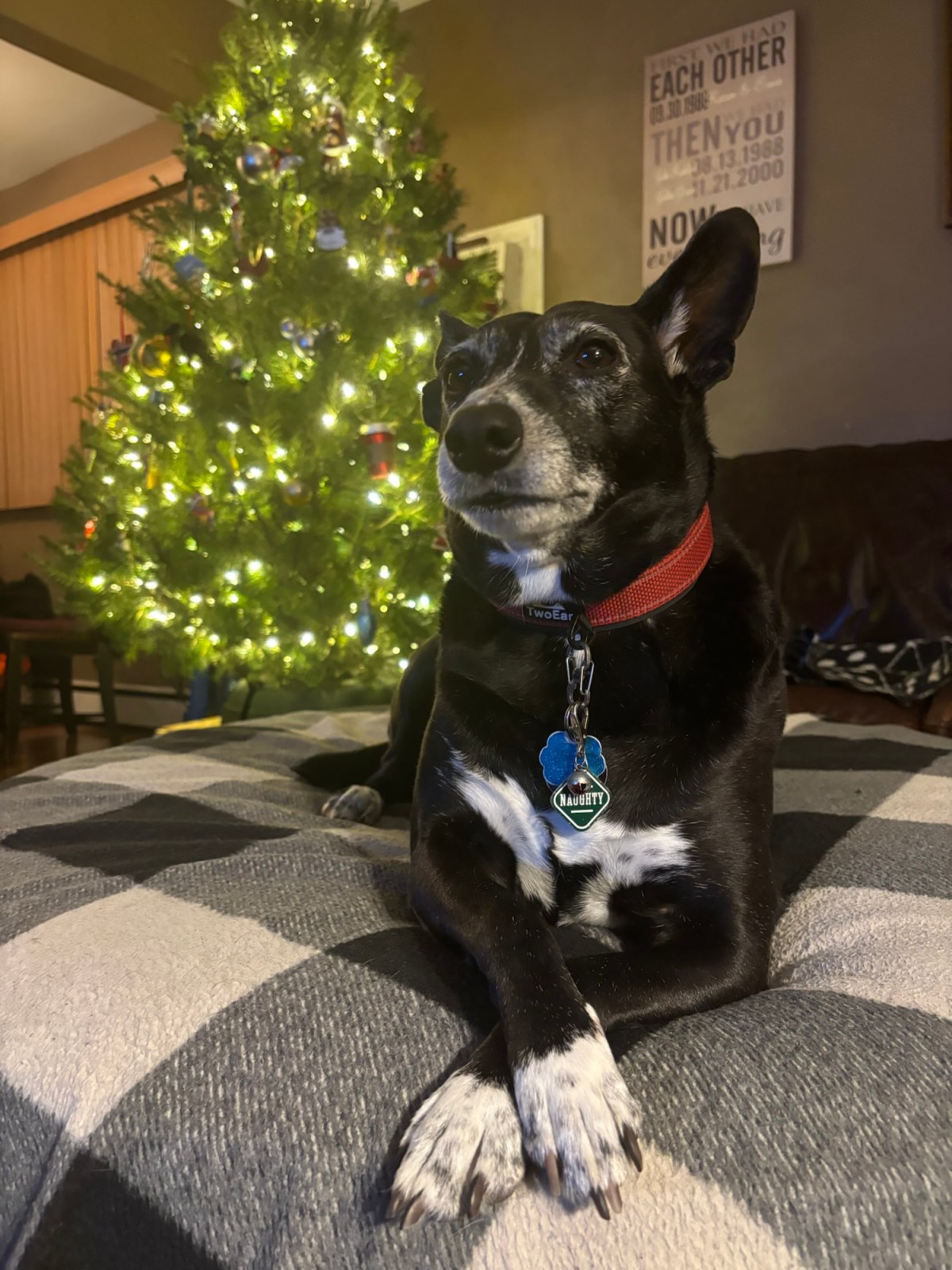
Phoebe is an old soul.
I don’t mean that in the “she likes to nap a lot” kind of way. Although, let’s face it, she certainly doesn’t turn down a good nap. I mean there is something behind those beautiful eyes that makes me believe she has been here before. Possibly several times. And I’m pretty sure in at least one of those lives she was a therapist.
Phoebe has never been a lap dog. She has boundaries. She does, however, need to be next to you at all times. There is a difference. If I move from one room to another, Phoebe moves. If I sit down, she settles nearby. Close enough to know exactly what is happening, but far enough away to maintain her independence.
And then there are the conversations.
Somehow Phoebe inserts herself into them like a treasured old friend. She doesn’t interrupt. She doesn’t bark. She just…joins us. She looks from one person to the next, listening so intently that I sometimes forget she has absolutely no idea what we are saying.
Or does she?
Because those eyes. Those beautiful, soulful eyes can look straight through you. Tell Phoebe something and she will stare back as if she understands every single word. Your good days. Your bad days. Your worries. Your secrets. She takes it all in and, thankfully, has never repeated a thing.
She is fiercely protective of the people she loves. Perhaps that’s one of the reasons she and I understand each other so well. We love hard. We protect harder. And we like to keep our people close.
She is our shadow. Our protector. Our confidante. Our treasured friend. And sometimes, when those beautiful brown eyes lock onto mine, I swear she isn’t looking at me at all. She’s looking right into my soul. And somehow, I think she knows exactly what she sees. ❤️
My drives home from the gym can make my mind act anywhere from a squirrel on espresso to getting lost in a song or plopping me right back to a night out with my friends that should really be in the Kiki Hall of Fame.
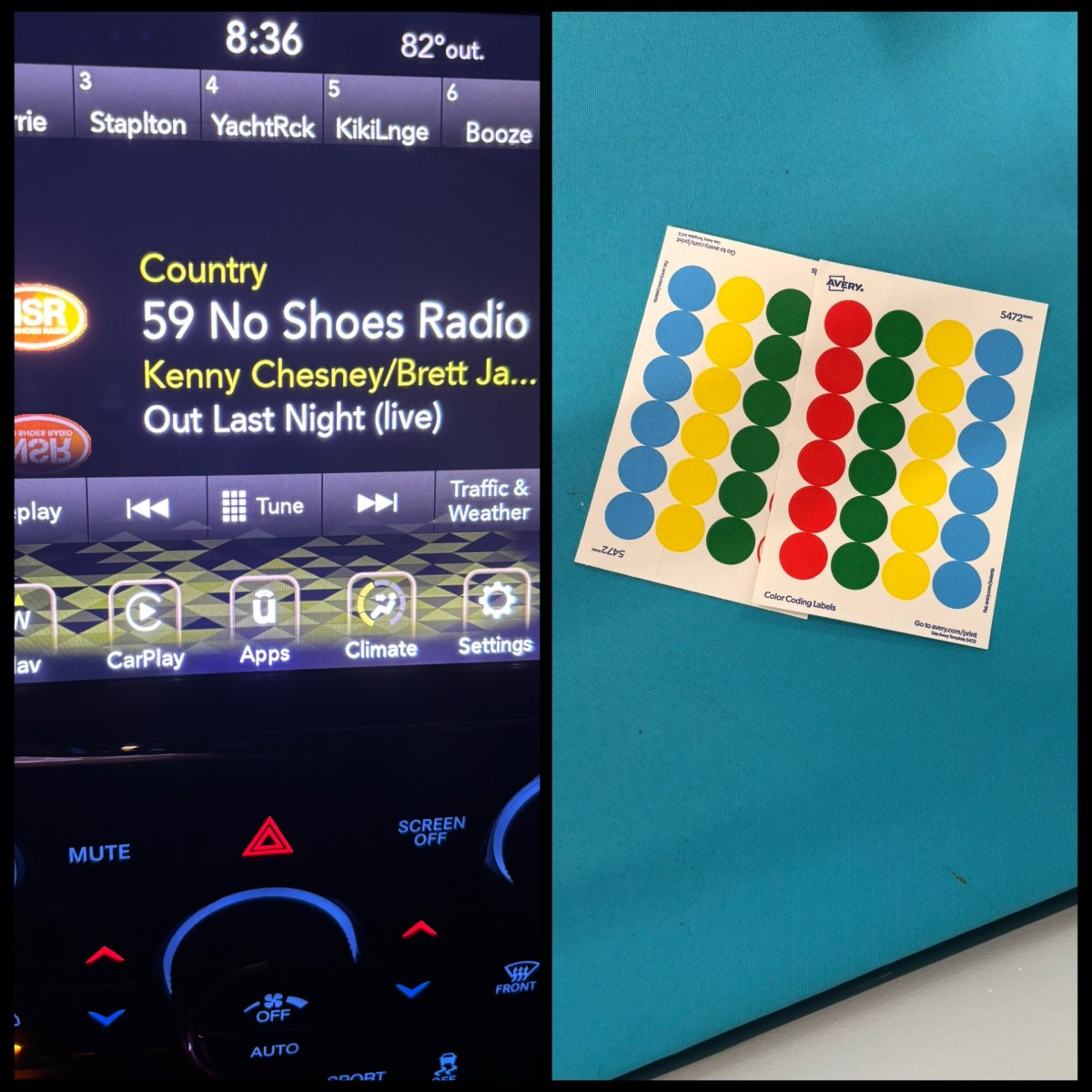
I did not have the best night at the gym this evening. No big deal. Just a chaotic class flow and a broken pinky toe just left me feeling “off”. I flew to the Jeep like it was my Batmobile and started the trek home. “No Shoes Radio” – the Kenny Chesney channel was on as usual. His live version of a song called “Out Last Night” was on. I turned it up. It’s all about going out with your friends and just letting loose.
I smiled. My mind turned the pages back. Man. There were some incredible nights out. But there was this one night. Oooof. My buddy…oooh we should change the name to protect the innocent here…my friend “Mary” and I decided to take a ride into Queens. It’s about 20 minutes from us. This “Mary” was a New York City Police officer. She was outrageously fun. We decided on a bar called Donovan’s. The bar this one night was packed. New York packed. Wall to wall people. Fun people. Getting to the bar was a challenge. After a while we had guys buying us drinks. We bought back. We wanted no part of any guys or relationships so we kept it moving. After a while – everyone looked the same. Mary said – we need a system to remember who is who. After looking in my pocketbook I came up with the perfect solution. I had been arranging my files all day at work and had a sheet of color coded stickers.
I gave them to Mary. I said let’s put a sticker on the back of every guy who bought us a drink already. That will save us some time.
Well.
Time passed. Drinks were given. Stickers were placed. That’s when we realized it was time to go when the guys started noticing the stickers on each other’s backs.
We slipped out the door before our highly sophisticated identification system turned into an official police investigation.
To this day, I still laugh at the fact that after spending all day color-coding files in an office, my brain naturally decided the best way to manage a crowded bar was…office supplies. Somewhere in Queens there may still be a handful of men wondering why they were suddenly walking around with green, yellow, and orange dots stuck to their backs.
It’s moments like these that remind me why I treasure those nights with friends. We weren’t out looking for trouble. We certainly weren’t looking for romance. We were just looking for a good laugh. Somehow, with a sheet of Avery color-coding stickers and two women who clearly shouldn’t have been put in charge of quality control, we managed to create one of those stories that still has me laughing years later.
Every now and then that Kenny Chesney song comes on, and I’m instantly transported back to that packed Queens bar. The music fades, the laughter returns, and I can’t help but think…some memories deserve to stay filed away forever.